
5 Products In This Range

🖤🛍️ BLACK FRIDAY EVENT
Grab An Extra 5% Off with Our Black Friday Discount Code!
Code will automatically apply - no manual entry required.
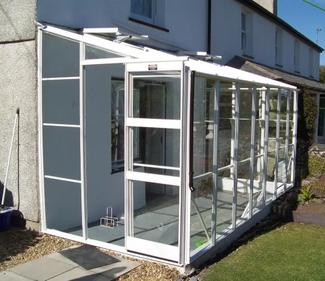
Lean To Greenhouses
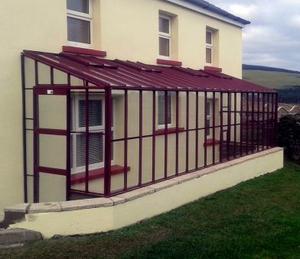
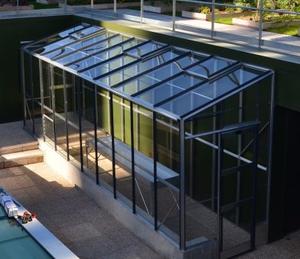
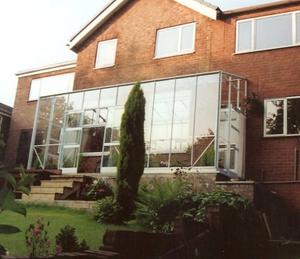
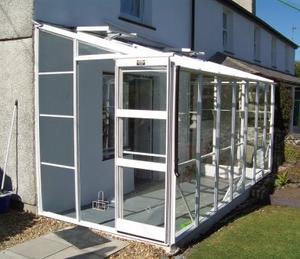
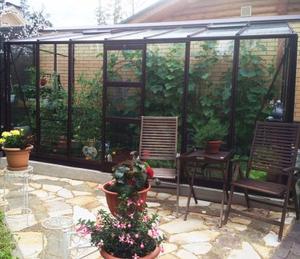
Discover our extensive selection of lean-to greenhouses, perfect for gardeners seeking a space-saving solution that fits neatly against a wall or fence. Combining practicality with style, these greenhouses are ideal for smaller gardens or patios while still offering ample growing space for plants, vegetables, and seedlings. With options from leading brands like Vitavia, Elite Kensington, Elite Windsor, and our personal favourite, the Elite Titan lean-to range. You'll find a variety of sizes, finishes, and glazing types to suit every budget and requirement. For more information, if you require any advice or if you’d prefer to talk to someone in person, simply contact our in-house team on 0121 355 7701.
Frequently asked questions
Are lean-to greenhouses worth buying?
From our experience supplying greenhouses to gardeners across the UK, lean-to greenhouses are well worth buying if you want a practical growing space without taking up as much room as a freestanding model. Because they sit neatly against a wall, they are ideal for patios, courtyards, side returns and smaller gardens. Many customers choose them because they feel convenient, sheltered and easy to access from the house.
What is the advantage of a lean-to greenhouse?
Our top three advantages of utilising a lean-to style greenhouse include:
- Excellent use of space: A lean-to greenhouse sits against an existing wall, making it ideal for patios, courtyards, side returns and smaller gardens where a freestanding model may take up too much room.
- Added warmth and shelter: The wall behind the greenhouse can provide useful protection from wind and may help retain warmth, creating a more comfortable environment for plants through changing weather.
- Convenient access: Because many lean-to greenhouses are placed close to the house, they are easy to reach for watering, harvesting herbs, checking seedlings or quickly ventilating the space on warmer days.
Is a lean-to greenhouse better than a freestanding greenhouse?
A lean-to greenhouse is often better if you have limited garden space or want your greenhouse close to the house, patio or kitchen door. A freestanding greenhouse usually gives you more flexibility on positioning and can allow light in from all sides. From our experience, lean-to models suit gardeners who value convenience and compact design, while freestanding models suit larger gardens with a sunny, open spot available.
Where should I put a lean-to greenhouse?
A lean-to greenhouse should be placed against a solid, suitable wall in a bright and sheltered position. Try to avoid heavy shade from trees, fences or surrounding buildings, as good light is essential for healthy plant growth. A south-facing or west-facing wall can often provide excellent warmth and light, while an east-facing position may suit plants that prefer gentler morning sun. You should also leave enough room for the door to open comfortably and for easy access to water.
Does a lean-to greenhouse need to be attached to a wall?
Most lean-to greenhouses are designed to stand against and be fixed to a wall for support and stability. The wall should be strong, level and suitable for securely attaching the frame. Some compact wall gardens and mini lean-to designs may have different fixing requirements, so it is important to check the product specification before ordering. If you are unsure whether your wall is suitable, our team can help you check the key measurements and fitting details.
Do lean-to greenhouses need a base?
Yes, we would always recommend installing a lean-to greenhouse on a firm, level and secure base. A suitable base helps keep the frame square, supports the glazing and makes the structure more stable. Depending on the model, this might be concrete, paving slabs, a brick plinth or a compatible metal base. Getting the base right is especially important with a lean-to design because the greenhouse must sit neatly against the wall.
What size lean-to greenhouse should I buy?
The best size depends on the wall space available, the depth you can spare, and what you want to grow. A narrow 4ft deep lean-to greenhouse can be ideal for patios and smaller gardens, while 6ft or 8ft wide models give you more room for staging, pots and larger crops. From our experience, customers often fill the space quickly, so it is worth choosing the largest size that will comfortably fit without blocking paths, doors, windows or access around the garden.
Are lean-to greenhouses good for small gardens?
Yes, lean-to greenhouses are one of the best greenhouse options for small gardens because they use vertical wall space and usually have a smaller footprint than freestanding models. They are particularly useful for patios, courtyards, narrow side areas and gardens where every inch matters. Even a compact lean-to can provide enough room for herbs, seedlings, salad crops, chillies, strawberries and a few favourite plants.
What can you grow in a lean-to greenhouse?
You can grow many of the same plants in a lean-to greenhouse as you would in a freestanding greenhouse, including tomatoes, cucumbers, peppers, chillies, herbs, salad leaves, strawberries, seedlings and tender ornamentals. The wall can help create a warmer, more sheltered growing space, making it especially useful for starting plants earlier in spring or protecting them later into autumn. Good ventilation and shading are still important during warmer weather.
Which lean-to greenhouse brand should I choose?
The best lean-to greenhouse brand depends on your budget, available space and preferred specification. We offer options from trusted brands such as Halls, Vitavia, Elite, Palram, Forest, Shire, Mercia and Access. Halls and Vitavia are popular for practical everyday models, while Elite offers a wide choice of sizes, finishes and customisation options. Wooden lean-to styles from brands such as Forest, Shire and Mercia may suit gardeners looking for a more traditional appearance.