

🖤🛍️ BLACK FRIDAY EVENT
Grab An Extra 5% Off with Our Black Friday Discount Code!
Code will automatically apply - no manual entry required.
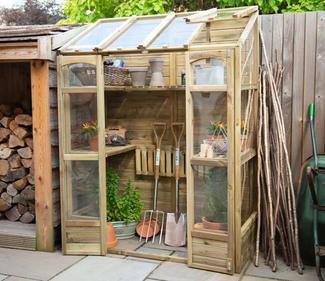
Wall Gardens & Cold Frames
Our collection of cold frames and wall gardens offers a space-saving solution for year-round growing. Designed to fit neatly against an existing wall or building, these compact structures provide added insulation and heat retention, making them ideal for growing plants, herbs, and seedlings in smaller gardens, patios, or courtyards. Available in a variety of sizes, materials, and styles, these wall gardens are perfect for gardeners with limited space who want the benefits of a traditional greenhouse without occupying valuable ground area. Constructed with durable aluminium frames and glazing options including horticultural or toughened safety glass, these greenhouses ensure excellent light transmission and protection for your plants.
For expert advice on selecting the perfect wall garden, call 0121 355 7701 7 days a week to speak with a friendly member of our team, or browse our selection to explore the full range of wall gardens with fast delivery and competitive prices.
Frequently asked questions
What is a wall garden?
A wall garden is a compact greenhouse-style structure designed to sit against a wall, fence or building. From our experience, customers often choose wall gardens when they want the benefits of a greenhouse but do not have enough room for a full-size walk-in model. They are ideal for patios, courtyards, side passages and small gardens where space is limited but protected growing is still important.
Are wall gardens worth buying?
Yes, wall gardens are worth buying if you want a space-saving way to protect plants, raise seedlings and grow herbs, salads or compact crops. They make clever use of vertical space and can be placed close to the house for easy watering and harvesting. Many customers choose a wall garden because it offers a neat, affordable and convenient growing area without taking over the garden.
What is the difference between a wall garden and a lean-to greenhouse?
A wall garden is usually smaller, shallower and more compact than a lean-to greenhouse, making it better suited to patios, narrow spaces and smaller plant collections. A lean-to greenhouse is generally larger and may offer more walk-in space, staging room and height for taller crops. If you want a compact growing cabinet, a wall garden is often ideal. If you want more room to stand, pot and grow larger plants, a lean-to greenhouse may be the better choice.
What is the difference between a wall garden and a cold frame?
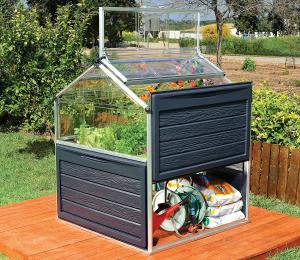
A wall garden is usually taller and designed to stand against a wall, often with shelves or vertical growing space. A cold frame is lower to the ground and is mainly used for seedlings, young plants, hardening off and protecting crops from colder weather. From our experience, wall gardens suit gardeners who want upright growing space, while cold frames are excellent for early-season propagation and plant protection.
What can I grow in a wall garden?
You can grow herbs, salad leaves, strawberries, chillies, compact tomatoes, seedlings, cuttings and tender young plants in a wall garden. The sheltered design helps protect plants from wind, rain and cooler temperatures, while the glazing allows plenty of light inside. Wall gardens are especially useful for gardeners who like to keep fresh herbs or small crops close to the kitchen door.
What can I use a cold frame for?
A cold frame is ideal for sowing seeds, raising young plants, hardening off seedlings, protecting tender crops and extending the growing season. Many gardeners use cold frames in late winter and spring to give plants a protected start before moving them into beds, borders or larger greenhouses. They are also useful in autumn and winter for sheltering hardy salads, herbs and small plants from the worst of the weather.
Where should I put a wall garden or cold frame?
The best position is usually a bright, sheltered spot that is easy to reach for watering, ventilation and harvesting. A wall garden should be placed against a suitable wall or fence, ideally where it receives plenty of natural light. A cold frame is best positioned on level ground in a sunny part of the garden. Try to avoid deep shade, exposed windy corners and areas where water collects.
Do wall gardens and cold frames need a base?
Most wall gardens and cold frames should be placed on a firm, level and well-drained surface. Depending on the model, this could be paving slabs, concrete, compacted gravel, decking or a prepared garden bed. A level base helps the frame sit correctly, keeps doors or lids working smoothly and reduces the risk of water pooling around the structure.
Are wooden or aluminium wall gardens better?
Both wooden and aluminium wall gardens have advantages. Wooden wall gardens offer a more traditional, natural look and can blend beautifully into cottage gardens or planted patios. Aluminium models are usually lower maintenance, lightweight and resistant to rust and rot. From our experience, customers often choose wood for appearance and aluminium for easy upkeep.
Which wall garden or cold frame should I buy?
The best choice depends on your space, budget and how you plan to grow. A wall garden is a good option if you want upright growing space for herbs, seedlings and compact plants. A cold frame is better if you mainly want low-level protection for young plants and seasonal crops. If you need more room to stand inside, a larger lean-to greenhouse may be more suitable.